
You can review the slides from Ross Laing & Norm Smith’s excellent presentation “Renaissance of Film” here. Check out the great links in the FAQ pages.

You can review the slides from Ross Laing & Norm Smith’s excellent presentation “Renaissance of Film” here. Check out the great links in the FAQ pages.
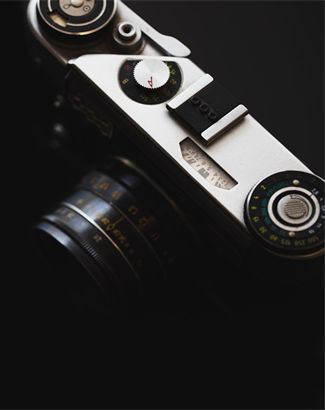
Most of us in our camera club began our photographic journey taking pictures on film. With the advent of digital photography, many predicted the demise of film photography, but this is far from the case today.
In the past few years, there has been a remarkable resurgence of interest in vintage film cameras and lenses, especially amongst young photographers in the 18 to 30-year-old age bracket. Older SLR cameras have increased in value and film is once again being stocked in photo stores.
This presentation explores this “rebirth” of interest in film photography and the allure of old cameras and lenses. The presenters share some of their vintage camera collection as well as photos taken with those cameras. In addition, the audience will learn about ways to recondition old cameras and lenses that may have been languishing in an old cupboard and get them working again. The presentation also reviews the types of film currently available.
Presented by Norm Smith and Ross Laing

Rod Trider, Hon FCAPA
Rod is an internationally accredited photography judge who will give a presentation on what makes a “good” photograph. Having judged hundreds of thousands of images over the years, Rod will discuss some factors that help make a “good” image. He will work through some of the things to look for in the various genres of photography along with some tips on what judges look for in images. You will see some great images and some not-so-great images so we can discuss what might help you in improving your photography.
About Rod
Rod is a photographic-based multi-media artist and Master digital printer. His passion is to create unique photographic and multi-media artworks.
He exhibits frequently in art galleries, art shows, and public spaces. His works are in collections in over 12 countries.
He runs Advanced Images, a boutique photographic printing company that has specialized for over 20 years in working with photographers & artists who are exhibiting or selling their work.
He has also curated or co-curated over 40 art exhibits and is a national & international photographic competition judge, having judged over 300 times.
He teaches and presents at photo clubs and regional & international conferences.
When time permits, he enjoys photographing local hidden treasures as well as in far-off places around the world that are rapidly changing.
Member
Past President, CAPA (Canadian Association for Photographic Arts)
CAPA – Internationally Accredited Photography Judge
CAPA Trainer of Judges for 16+ years
5i – Photographic Collective
F8 – Photographic Collective
Contact
Phone: 416-707-2175 Email: rtrider@advancedimages.ca

Congratulations to club member Manfred Mueller who has had two images published in the print version of the Canadian fine art photography magazine, PhotoED. Locally this publication is available for sale at the Glebe Smoke Shop and at the Indigo Bookstore on Rideau, South Keys, and Barrhaven.
Keep checking PhotoED’s website for the online version of their “Colour” issue which was not available when this post was made.

The 13 educational videos from Dirk Ercken can be found here.
The video of Amy and Debbie’s attempts at painterly flowers can be found here.
The Amazon link for the Portable Collapsible Stool ($29.99 – gone up in price, there are others you can search on, or see at the bottom of the page) can be found here.
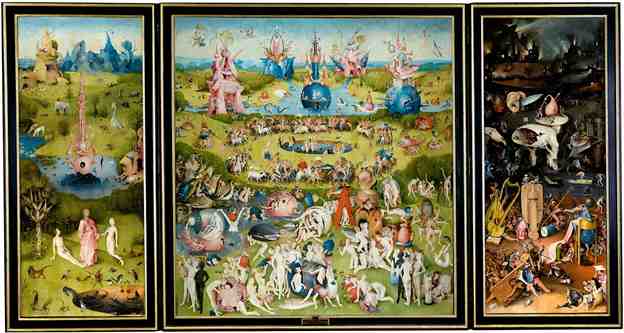
Definition:
A triptych is an artwork made up of a series of three images. The three individual triptych images must be interrelated and can explore a particular subject, a specific style, a theme, or even one image that is “split” to create three separate images. In addition, a triptych can show a sequential progression, often suggesting a narrative with a beginning, middle, and end.
Purpose:
Ultimately, an effective triptych emphasizes the Gestalt concept of the whole being greater than the sum of its parts.
Background:
Triptychs were very popular artworks in the 15th century and usually depicted religious themes. They often had a larger central image with two smaller hinged images on each side of the large image. The two smaller images could be folded over the larger image and therefore protected all three images. More recently, triptychs are created photographic images.
The KSCCC Annual Challenge 2024-2025:
Shoot a photographic series that works as a triptych, whether 3 separate images or one image “split” into three individual images.
The triptych can be submitted as three separate images or as one image showing an amalgamation of the three images (i.e. a type of collage).
During the 2024-2025 season, there will be several short tutorials during Friday meetings on various ways to collate the three images to present them as one unified triptych image.
Submission Deadline: May 30, 2025
Presentation: June 6, 2025
PHOTOGRAPHIC TRIPTYCH SAMPLES:
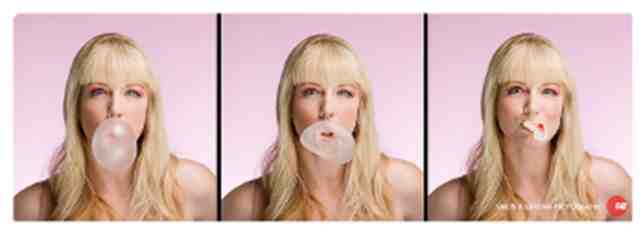
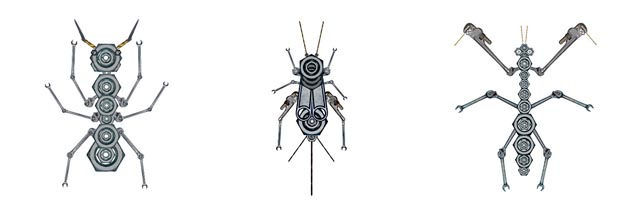
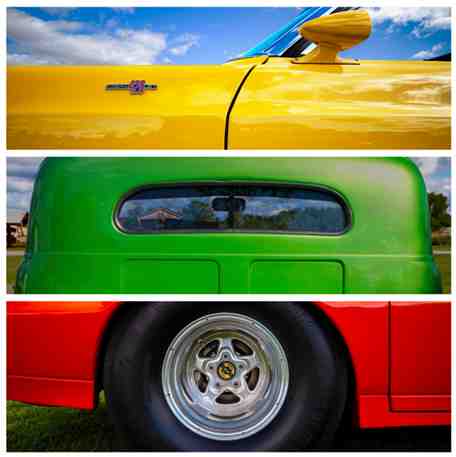
HELPFUL LINKS:
Websites
YouTube videos
Ross Laing

Dave Haggarty (Hon F CAPA) is no stranger to Canada’s camera clubs. He was a member of Ottawa’s RA Photo Club for 25 years (twice as chairman) and a member of the Canadian Association for Photographic Art (CAPA) since 1998, serving on their Board for 7 years, two as chairman. Dave has attended some 15 CAPA national conferences and organized three here in Ottawa. He volunteered as a photographer for the Ottawa Folk and Jazz Festivals for 15 years.
Since moving to Kanata in 2015, Dave’s camera club focus has been on the KSCCC, and most of his photos have been captured during international and domestic travels, often on smaller cruise ships. In 2009 he and his wife Lynn took their second journey in the Canadian Eastern Arctic, aboard a 100-passenger ice-strengthened vessel. Dave will present three AV shows of their back-to-back adventure voyages in the Northwest Passage and High Arctic on September 6.
You can see maps of the two voyages here.

You can review Manfred’s excellent presentation on what makes a strong image here.


